China to US Gulf FCL Ocean Freight
All-water full-container service through the Panama Canal into Houston, Mobile, New Orleans, and Gulfport — the natural lane for wholesale distribution into Texas and the Southeast without touching a West Coast rail program.
FCL from China to US Gulf ports typically sails 28–38 days port-to-port on all-water Panama rotations (typical, varies by carrier, string, and canal windows); some programs instead discharge at a US West Coast port and run transcontinental rail when Gulf space is tight. Houston (USHOU) is the primary gateway; Mobile (USMOB), New Orleans (USMSY), and Gulfport (USGPT) serve regional distribution on thinner direct-call schedules.
Gulf planning has a weather dimension the other US lanes do not: the Atlantic hurricane season can close berths and inland waterways, so wholesale buyers with fixed delivery windows either front-load arrivals before the season peak or hold flexible DC receiving dates during the season.
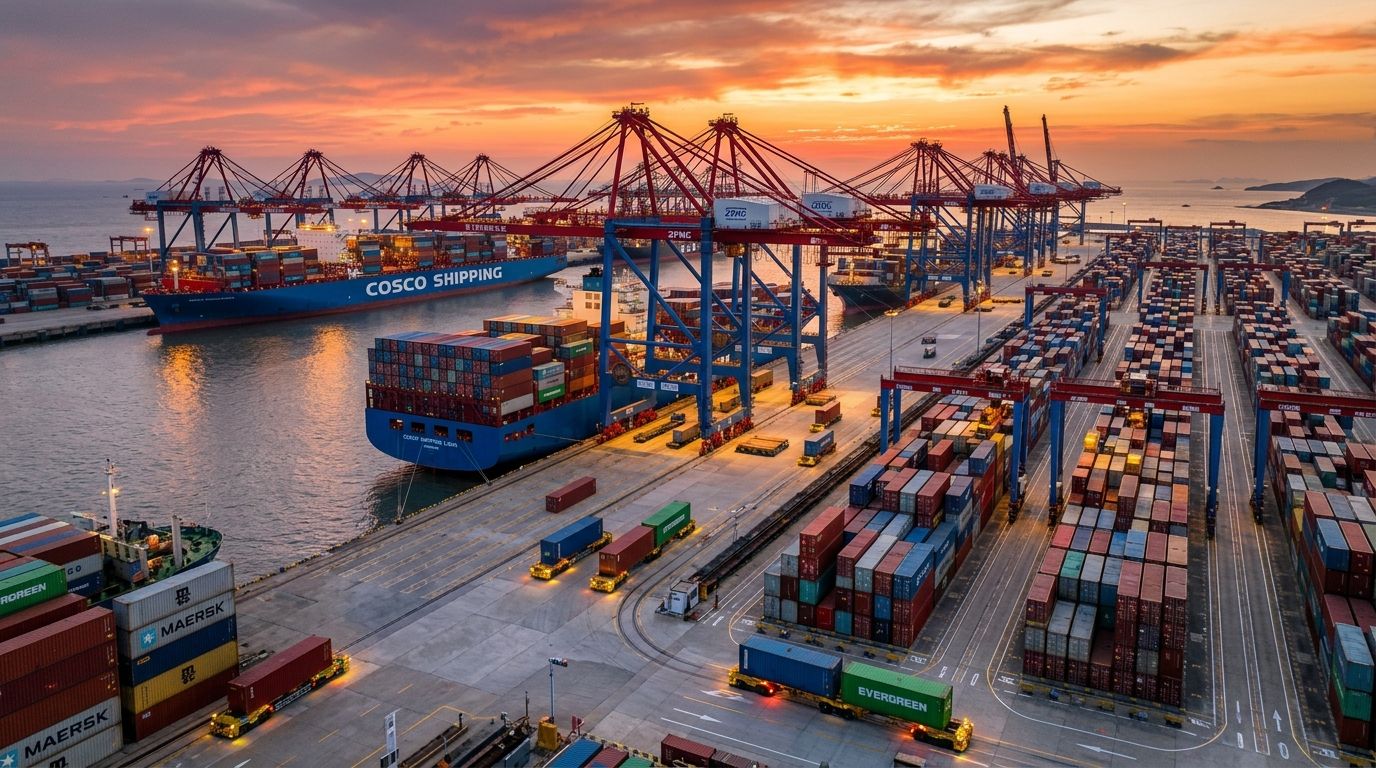
What Each Gulf Port Actually Serves
Houston (USHOU) is the volume anchor: the largest Gulf container complex, with the deepest drayage and warehouse market and reach into Texas, the Southwest, and Mexico-border logistics. Mobile (USMOB) serves the Central Gulf and has built a role as an overflow and cost-alternative discharge for Gulf-bound cargo. New Orleans (USMSY)combines container service with the river corridor — cargo for the Mississippi basin can move by barge after discharge, a niche that matters for heavy, low-urgency building materials. Gulfport (USGPT) rounds out the direct calls for Mississippi and the Central Gulf states.
Houston’s cargo mix includes a large petrochemical and project component, so wholesale buyers should expect equipment and chassis cycles that differ from the consumer-goods rhythm of Los Angeles. When a direct Gulf call is full, the standard fallback is a West Coast discharge plus rail — compare it as a door-to-door model, not an ocean-freight line item.
| Port Pair | Typical Transit | Serves |
|---|---|---|
| Shanghai / Ningbo → Houston | 28–36 days | Texas, Southwest, border logistics |
| East China → Mobile / Gulfport | 30–38 days | Central Gulf states |
| China → New Orleans | 30–38 days | Mississippi basin, barge moves |
| Alt: WC discharge + rail | Ocean 11–16 + rail | Compare all-in when Gulf space is tight |
Typical ranges; actual transit varies by carrier, rotation, canal slotting, and seasonal weather.
Weather, Waterways, and Seasonal Planning
Hurricane-season calendar
The Atlantic hurricane season runs June through November, with the statistical peak around early September. Gulf ports suspend operations for approaching storms, and after a landfall, backlog clearances stretch terminal free time across the whole port. Wholesale buyers should not schedule must-arrive cargo into the peak weeks without a receiving contingency.
Free time during disruptions
Carriers sometimes grant free-time extensions after named-storm closures, but it is not automatic — extensions are announced per port per event. Track last free days actively during the season, and remember demurrage and detention accrue as soon as ordinary terminal clocks resume.
River and rail alternatives
Mississippi barge legs from New Orleans suit heavy, non-urgent cargo at low cost; transcontinental rail from a West Coast discharge is the standard substitute when Gulf sailings are full or suspended. Both change the cost structure — model them per shipment instead of assuming the all-water figure always wins.
What a China–US Gulf FCL Quote Is Built From
- Base ocean freight per container — Gulf all-water rates follow their own cycles with a quoted validity window; canal-transit components move faster than base rates when canal slotting tightens.
- Origin charges — China base-port THC, booking and B/L documentation, export declaration, VGM, and trucking to the CY.
- Destination charges — Gulf terminal handling, chassis, drayage in a market where chassis pools behave differently from the West Coast, plus ISF/entry filing and any exam or storm-related storage.
- Inland legs — barge or rail alternatives price separately and change the comparison against all-water; keep them itemized rather than blended.
- Free time and per diem — confirm demurrage and detention days for the specific Gulf terminal; Houston-area yards run their own clocks and storm closures do not automatically pause them.
As on every lane page, structure only — figures are confirmed per booking, because Gulf pricing moves with canal conditions and seasonal demand.
Operating Pitfalls on This Lane
- Thin direct-call schedules. Outside Houston, Gulf ports see fewer weekly direct strings; a missed cut-off can cost a full week — protect cargo-ready dates and book against the specific vessel.
- Chassis locality. Gulf drayage depends on regional chassis pools; during surge or post-storm recovery, chassis splits add cost and delay drayage availability.
- Weather in the model. Put a storm contingency into delivery promises for peak-season arrivals: either pre-arrival buffers or flexible receiving dates, decided before booking.
- AD/CVD exposure. Gulf-bound building materials and steel-adjacent goods are among the product families most often covered by trade measures — verify HS-level status before the PO, as on every US lane.
Sizing a Gulf program? The container fill planner models cube and weight limits before you commit box counts.
Frequently Asked Questions
When does a West Coast discharge plus rail beat all-water to the Gulf?
Run both models door-to-door. All-water usually wins on simplicity — one vessel, one entry, direct terminal drayage — and avoids West Coast terminal and rail-ramp queues. West Coast discharge plus rail becomes competitive when Gulf space is tight, during hurricane-season risk windows, or for cargo with a schedule obligation the all-water rotation cannot meet. Compare the itemized figures per shipment rather than the ocean line alone.
How do hurricane closures affect my container and its free time?
Ports stop operations ahead of storms and work through backlogs afterward, which compresses appointments and chassis availability for a while. Free-time extensions depend on per-event carrier announcements — they are common after named closures but never guaranteed. During the season, track the last free day daily and pre-arrange drayage capacity for the week after any forecast landfall.
Is Houston the right discharge for cargo sold across the Southeast?
Houston is the natural choice for Texas and the Southwest. For the Central Gulf and Southeast, compare Mobile, Gulfport, and New Orleans calls, and for the Atlantic Southeast specifically, test the all-water US East Coast gateways from the sister lane — Savannah and Houston are often closer in cost than buyers assume, and the deciding line item is usually the drayage leg.
Request Commercial Ocean Freight RFQ
Submit your container shipment details to our Ningbo port desk for contracted space and spot carrier pricing within 12 hours.
Last reviewed: September 2026 — rotations and transit ranges are typical and confirmed per sailing; charges are itemized per booking.